If a ceramic plunger cracks during installation, wears after months in service, or starts sticking after a replacement, each symptom points to a different first check. For a metering pump or high-pressure pump, choosing between zirconia, ZTA-96 and alumina starts with the operating conditions and the parts the plunger runs against. That includes the liquid, the cleaning cycle, and the fit with the seal or sleeve.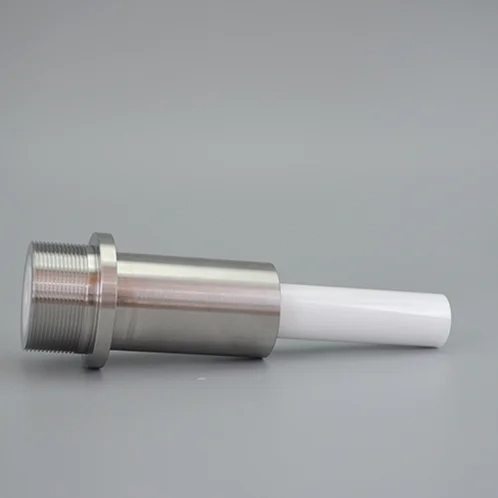
A chip at a shoulder that appeared during installation is a reason to check how the plunger was seated and whether the holder loaded the edge. A wear band on one side is a reason to check alignment. If the replacement slides freely in the sleeve on the bench but sticks once installed, compare the fit before and after assembly. These observations help narrow down what to inspect before changing the material.
If the plunger cracked, note where the crack started and when it appeared. A part that broke during installation and one that failed after repeated cleaning cycles call for different checks. For more on that distinction, see our guide to why ceramic plungers crack and how to prevent it.
| Material | When to consider it | What to check before specifying it |
|---|---|---|
| Zirconia | When chipping, handling damage or local loading makes fracture toughness a priority. | Check the shoulder geometry, how the holder supports the plunger, and whether the specific grade suits the process liquid and operating temperature. |
| ZTA-96 | One option to evaluate when the plunger and sleeve can be finished, measured and supplied as a matched pair. | Confirm the formulation and its suitability for the application. Agree on the clearance requirements and how the pair will be inspected. |
| Alumina | A starting point when wear is the main concern in a clean, well-aligned assembly. | Check the alumina grade, the liquid and cleaning chemicals, and whether particles can enter the running clearance. |
Zirconia is worth considering when the plunger has a slender section or a shoulder that is vulnerable to chipping. It generally offers higher fracture toughness than alumina. If the existing plunger shows one-sided wear or chips in the same place on several parts, check the holder and alignment before specifying a zirconia ceramic plunger.
ZTA-96 is CERAMPRO’s designation for a zirconia-rich ceramic composite containing alumina. For a matched plunger and sleeve, we review the material and the fit together. The grade name identifies the material, while the measured diameters, roundness and assembled movement tell us how the two parts fit.
Alumina is a practical option when you need a hard working surface and the assembly is well aligned. Confirm the grade against the liquid and cleaning cycle, especially if the cleaning solution differs from the liquid the pump normally handles. Our guide to 95%, 96% and 99% alumina grades explains what to compare when selecting a grade.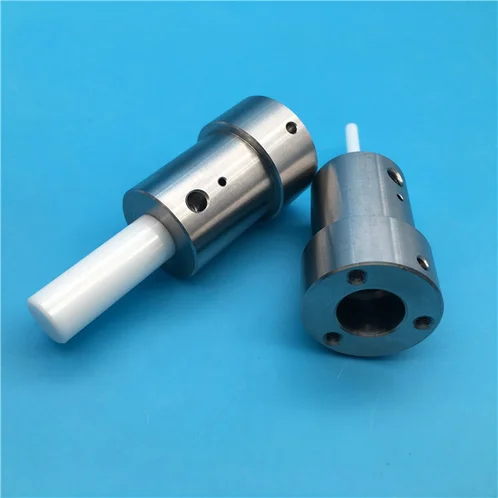
Two plungers with the same nominal outside diameter can fit differently in the same sleeve. If the original sleeve will stay in service, measure its bore at more than one position along the working length. A single reading can miss taper or local wear. If the design uses a seal, also check the seal and the section of the plunger surface it runs on.
For matched ceramic sets, we use an air gauge to monitor the sleeve bore during honing. After finishing, we measure the plunger’s outside diameter and the sleeve bore, check roundness, and pair the parts using their measured dimensions. We then check whether the plunger descends slowly and smoothly under consistent bench test conditions. That last check can reveal sticking in the pair. Leakage and metering performance need to be verified under the pump’s operating conditions.
Before ordering a matched set, ask the supplier which dimensions are checked on every part, what inspection results come with each pair, and how the material batch is identified.
The “96” is part of CERAMPRO’s material designation. ZTA-96 is a zirconia-rich composite containing alumina, and the material specification is the reference for composition.
Zirconia is worth evaluating if fracture toughness is a priority. First check where the crack starts, how the holder supports the part, and whether the failure occurs during installation or in service. Those details can point to a change in the assembly or geometry as well as a change in material.
Yes. If you plan to reuse the sleeve, share its measured bore dimensions and the condition of the working surface so the replacement plunger can be reviewed against the existing part.
Choosing a ceramic plunger for a new pump or replacing a worn one? Visit www.cerampro.com to share your drawing and operating conditions. If you plan to reuse the original sleeve, include its measured bore dimensions so we can review the material and fit together.